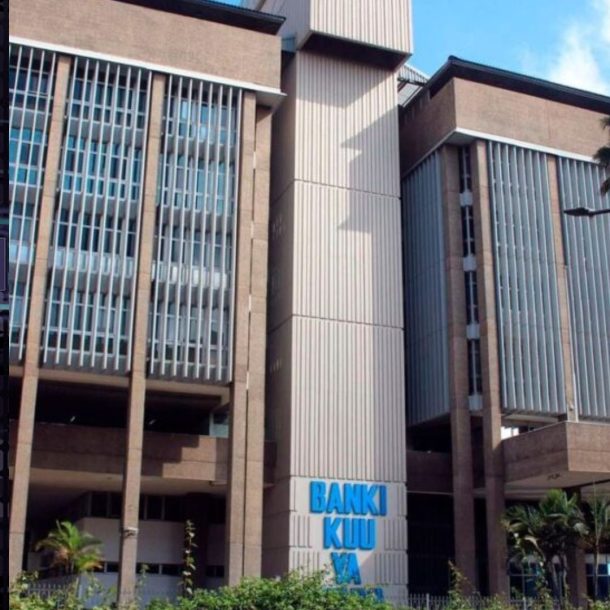

The Central Bank of Kenya left its benchmark rate unchanged at 8.75% on June 9, extending the pause that began in April as policymakers balance rising inflation risks against the need to support economic growth.
The main concern is fuel driven inflation. Headline inflation rose to 6.7% in May from 5.6% in April, largely due to higher global oil prices linked to the conflict in the Middle East. While the increase was mainly driven by fuel and energy costs, processed food inflation remained relatively stable, supported by lower sugar and maize prices. The CBK concern is whether higher fuel costs begin feeding more into transport, production and other consumer prices across the economy, creating second round effects that could push inflation beyond the target range.
The conflict is also weighing on growth prospects. The CBK cut its 2026 economic growth forecast to 4.9% from 5.3%, citing continued uncertainty surrounding the Middle East conflict and elevated global trade policy risks.Despite these concerns, there are growing signs that the CBK’s earlier rate cuts are beginning to gain more traction as Private sector credit growth accelerated to 9.3% in May from 7.1% in April, a sharp turnaround from the contraction recorded at the start of 2025. Lending to trade, construction, agriculture and consumer durables remained strong as average commercial lending rates fell to 14.5%, down from 17.2% in November 2024.
Importantly, credit growth is now approaching the double digit expansion that CBK has previously signalled as desirable for 2026, suggesting monetary easing is finally feeding through to the real economy.
Banks asset quality is also improving. The ratio of non-performing loans (NPLs) declined to 15.3% in May from 17.6% last August, pointing to gradually easing stress among borrowers.
For now, the CBK appears content to wait and watch looking for credit growth to strengthen into double digits target while ensuring that higher fuel costs do not push inflation beyond its target range also with the benchmark rate unchanged, households and businesses should not expect a significant shift in borrowing costs before the next MPC meeting in August 2026, as the CBK assesses whether credit growth can continue strengthening without reigniting inflation.