
Kenya Faces a Sh647 Billion Infrastructure Gap. Here’s Why Treasury Is Moving Away From Debt
15 June 2026
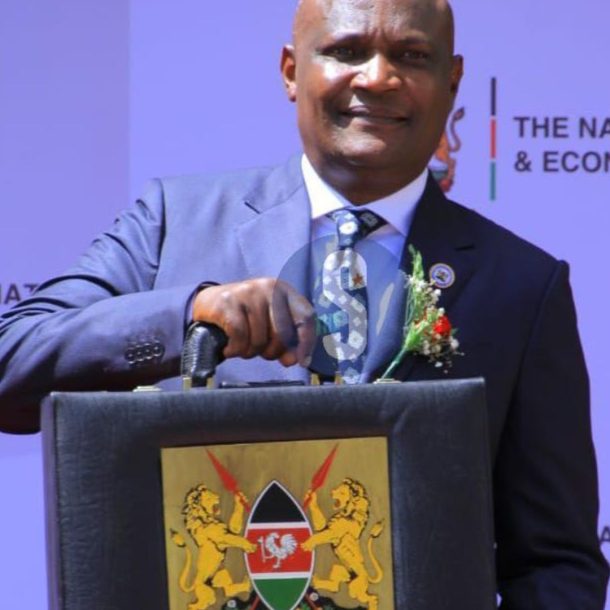
Treasury Cabinet Secretary John Mbadi, while presenting the 2026/27 Budget, told Parliament that Kenya faces an infrastructure financing gap of about USD 5 billion annually a shortfall that the national budget cannot bridge on its own.
His answer signals a deliberate shift in policy. The era of funding every road, power line and dam through government borrowing and taxation is ending, Mbadi said, not because the country lacks ambition, but because it has learned the cost of that approach. Debt financed infrastructure, he argued, has left Kenya with repayment obligations so large that they increasingly compete with spending on health, education and social protection.
He did not need to name the example, because Kenyans already know it. The Standard Gauge Railway shows what can happen when a megaproject is built on debt that the project itself cannot repay. In 2022, Chinese lenders fined Kenya Sh1.31 billion for defaulting on SGR loans, a penalty pegged at one percent of the overdue amount.
By 2024, the situation had worsened: Kenya Railways had defaulted on Sh167.5 billion and had not repaid a single shilling of the SGR loan since operations began. As unpaid interest and principal accumulated, the railway’s debt ballooned to Sh737.5 billion, 36.8% higher than the Sh539 billion originally borrowed. Because passenger fares and cargo revenues never generated enough cash to cover costs, taxpayers were ultimately left to shoulder the burden.
It is precisely this outcome that Treasury now hopes to avoid. The new strategy relies on two main tools. The first is public private partnerships (PPPs), where private investors finance and operate projects in exchange for returns. The second is the National Infrastructure Fund, which aims to use proceeds from the sale of mature state assets to mobilise private capital, pension savings and climate finance funding.
As an example, Mbadi pointed to the Rironi–Mau Summit Expressway, a project backed by the National Social Security Fund alongside foreign investors, as evidence that the model can work.
The logic is compelling, particularly at a time when the government is grappling with a Sh 1.15 trillion fiscal deficit and limited borrowing space. Yet the approach carries its own trade-offs. PPPs do not eliminate costs; they often transfer them to users through tolls. Likewise, directing pension savings into infrastructure means workers’ retirement funds become tied to whether these projects can generate sustainable returns something the SGR ultimately struggled to do.