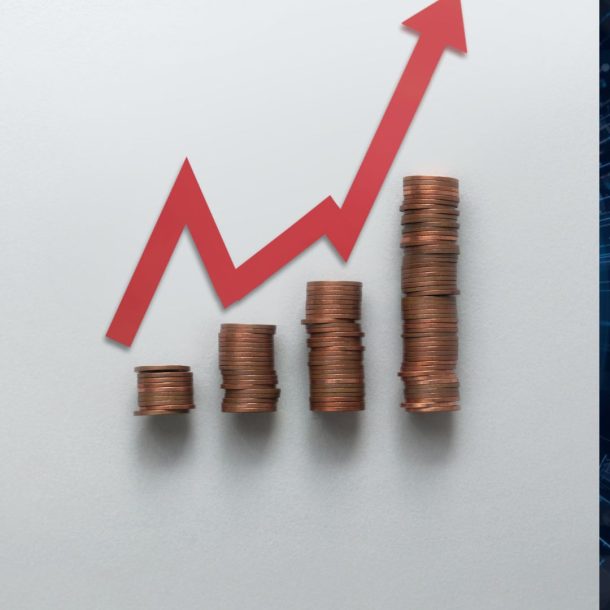

President Ruto has directed the Treasury to raise the tax free PAYE threshold from KES 24,000 to KES 30,000. That means around 1.5 million low income earners would stop paying PAYE altogether.
For many households, that relief will make a real difference but its also important to look at the government’s finances behind the move.
Treasury CS John Mbadi had warned that the proposal could create a KES 40 billion hole in the budget. He now says the gap can be covered through spending cuts. The PAYE reduction itself will likely pass easily because it is politically popular as the country moves closer to the 2027 elections. The problem is whether the promised spending cuts can actually happen and there are two major reasons to doubt that.
- First, PAYE collections are already below target. In the nine months to March 2026, PAYE revenue missed the target by KES 50.1 billion. Overall ordinary revenue was also short by KES 161.9 billion, with almost every major tax category except import duty bringing in less than expected.
- Second, government spending is not falling. Total expenditure reached KES 3.26 Trillion against a target of KES 3.19 Trillion about KES 62.2 billion above plan, mainly because of higher recurrent spending such as salaries and daily government operations. A government already spending above target in a normal year is unlikely to suddenly cut another KES 40 billion now.
That leaves borrowing as the most likely solution. And the data already points in that direction. Government domestic borrowing reached KES 700.7 billion in the nine months to March 2026, with commercial banks absorbing most of, it with credit to government rising 8.4% year on year after shrinking 6.6% the previous year.
This is the real trade off behind the tax relief. The KES 40 billion gap will most likely be filled through even more domestic borrowing, mainly from commercial banks. But when government borrows heavily from local banks, it competes directly with businesses and households for the same pool of money. Banks often prefer lending to government because it is safer and more predictable, leaving private businesses with less access to affordable credit.