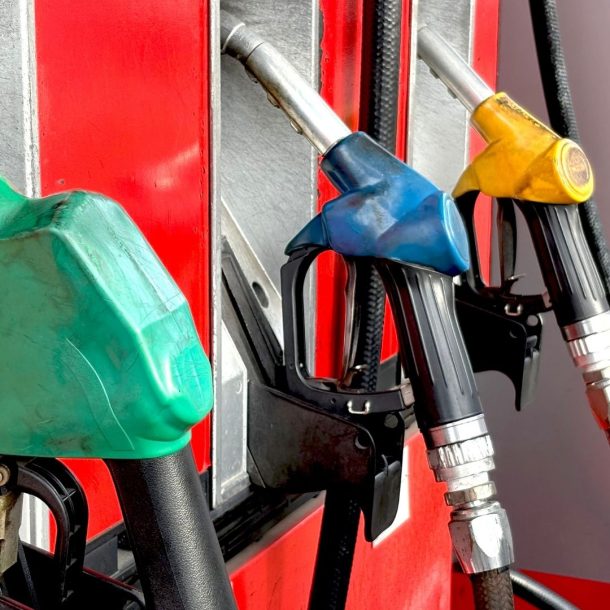

The government’s effort to make kerosene affordable has created an unintended consequence. Diesel currently costs about Sh243 per litre in Nairobi while kerosene goes for roughly Sh153 a gap of over Sh90. That difference exists because the state heavily subsidises kerosene to support low income households. Without those subsidies, kerosene would actually be the pricier product. But a Sh90 margin per litre is too tempting for rogue traders to ignore.
The scheme is straightforward: buy cheap kerosene, blend it into diesel, and sell the mixture at full diesel prices. This isn’t new,2018 data showed the vast majority of kerosene sold in Kenya never reached kitchens or lamps.
Why This Hits Ordinary Kenyans Hardest
Contaminated diesel is nearly impossible to detect at the petrol station. A boda boda rider, matatu operator, or farmer running an irrigation pump only discovers the problem when engines misfire, parts wear out early, and repair bills pile up. Those costs flow into higher fares, pricier goods, and more expensive food. Kenya’s economy runs on diesel powered transport and agriculture, so poor fuel quality ripples across the entire cost of living. Meanwhile, the government loses billions in tax revenue because subsidised kerosene never reaches the people it was designed for. A policy meant to protect the poorest Kenyans ends up enriching middlemen. The fix is well documented and is to align kerosene and diesel taxation and redirect savings into cleaner alternatives like LPG and electricity access.